AI-SANA
Shymkent University
AI-SANA is a comprehensive program that integrates education, scientific research, and startup entrepreneurship through the use of artificial intelligence technologies.

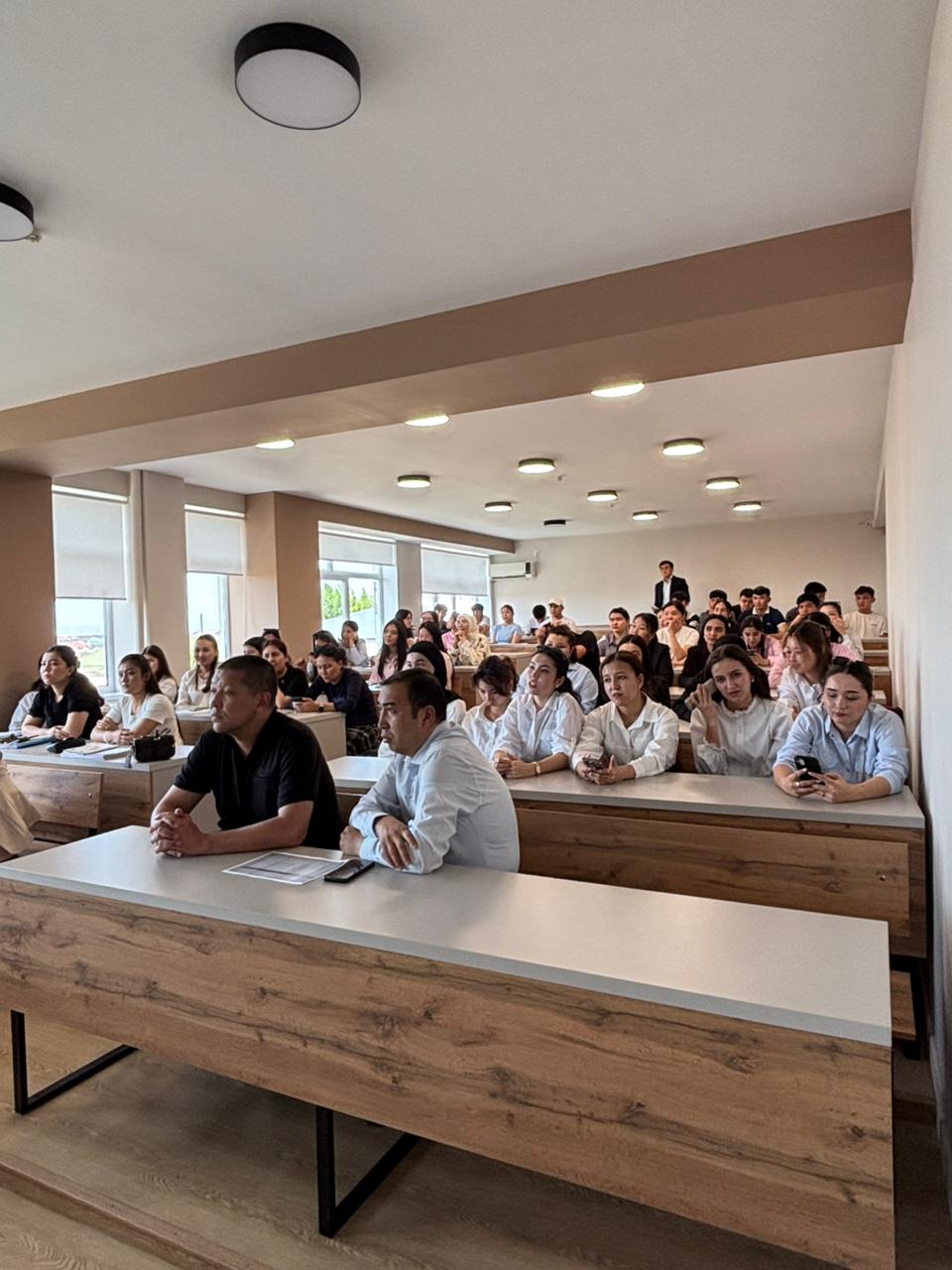
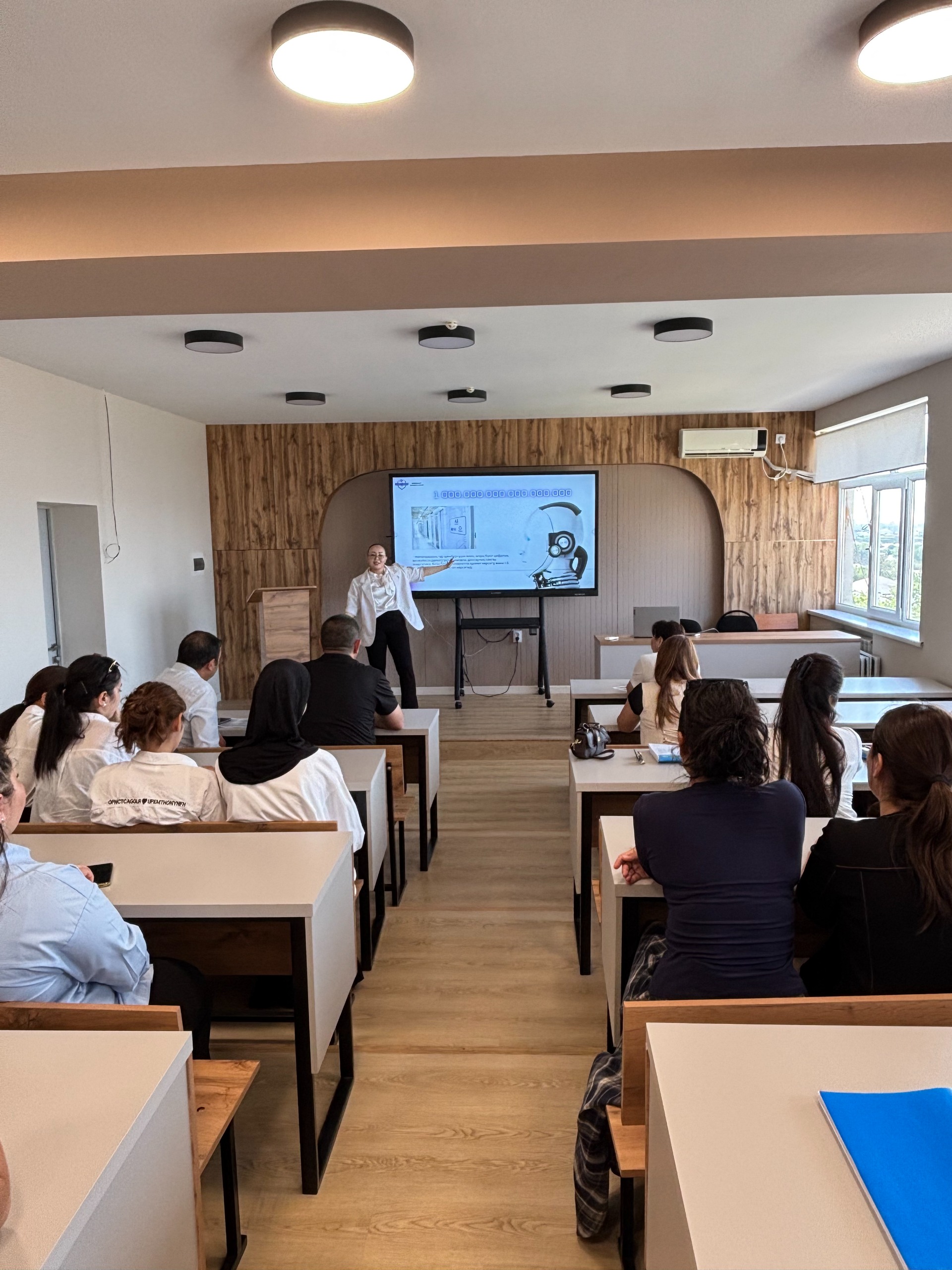
As part of the implementation of the AI-Sana project, Shymkent University trained and certified students in the effective use of artificial intelligence technologies within the educational process.
INNOVATIVE AI-SANA PROGRAM
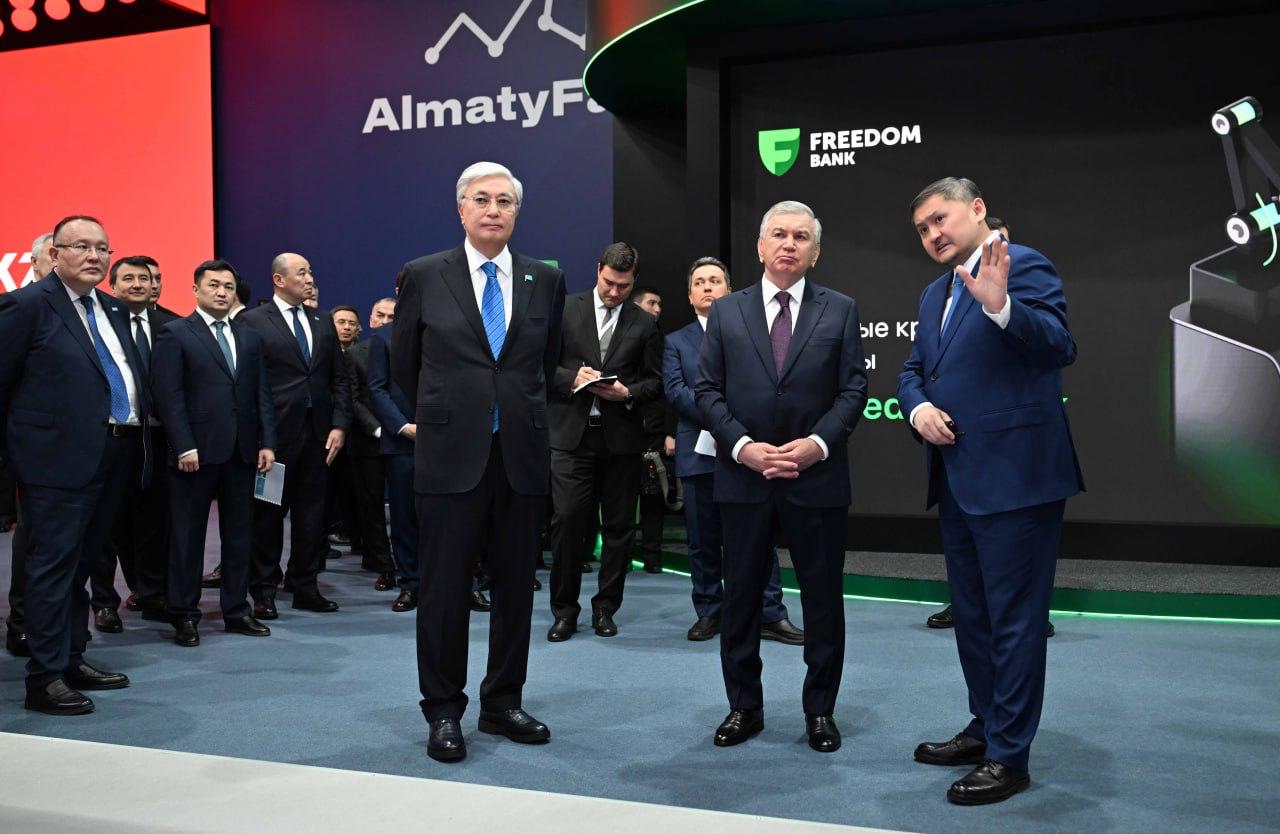
On December 11, 2024, following the presentation of the Alem.AI Artificial Intelligence Center concept at Astana Hub, the President of the Republic of Kazakhstan instructed the phased implementation of the AI-Sana program.
PURPOSE OF THE «AI-SANA» PROGRAM
The purpose of the «AI-Sana» program is to provide students in specialized fields such as agriculture, water management, energy, and other industries with additional competencies in artificial intelligence and AI entrepreneurship, with opportunities for gradual in-depth development of knowledge in these areas. This approach enables future specialists not only to gain a deep understanding of their professional fields, but also to actively apply AI technologies to optimize work processes and solve current industry challenges.
Graduates of the program will be able to create their own startups aimed at innovative solutions for industry-related problems or effectively apply the acquired knowledge in their workplaces, contributing to the spread of innovation and technological advancement within their industries.
Thus, the «AI-Sana» program serves as a catalyst for technological and economic development, focusing on unlocking the potential of AI in sectors of the national economy and supporting technological entrepreneurship. Special attention is given to the creation of DeepTech startups, which can become drivers of Kazakhstan’s technological and economic growth.
AI-Sana includes the integration of educational, research, and applied approaches, enabling universities to transition from a traditional educational model to a research-oriented format.
The implementation of the «AI-Sana» program is carried out in stages, with each stage aimed at the consistent development of students’ competencies — from basic knowledge of artificial intelligence to the professional development and market scaling of startups.
TRAINING INCLUDES THREE STAGES
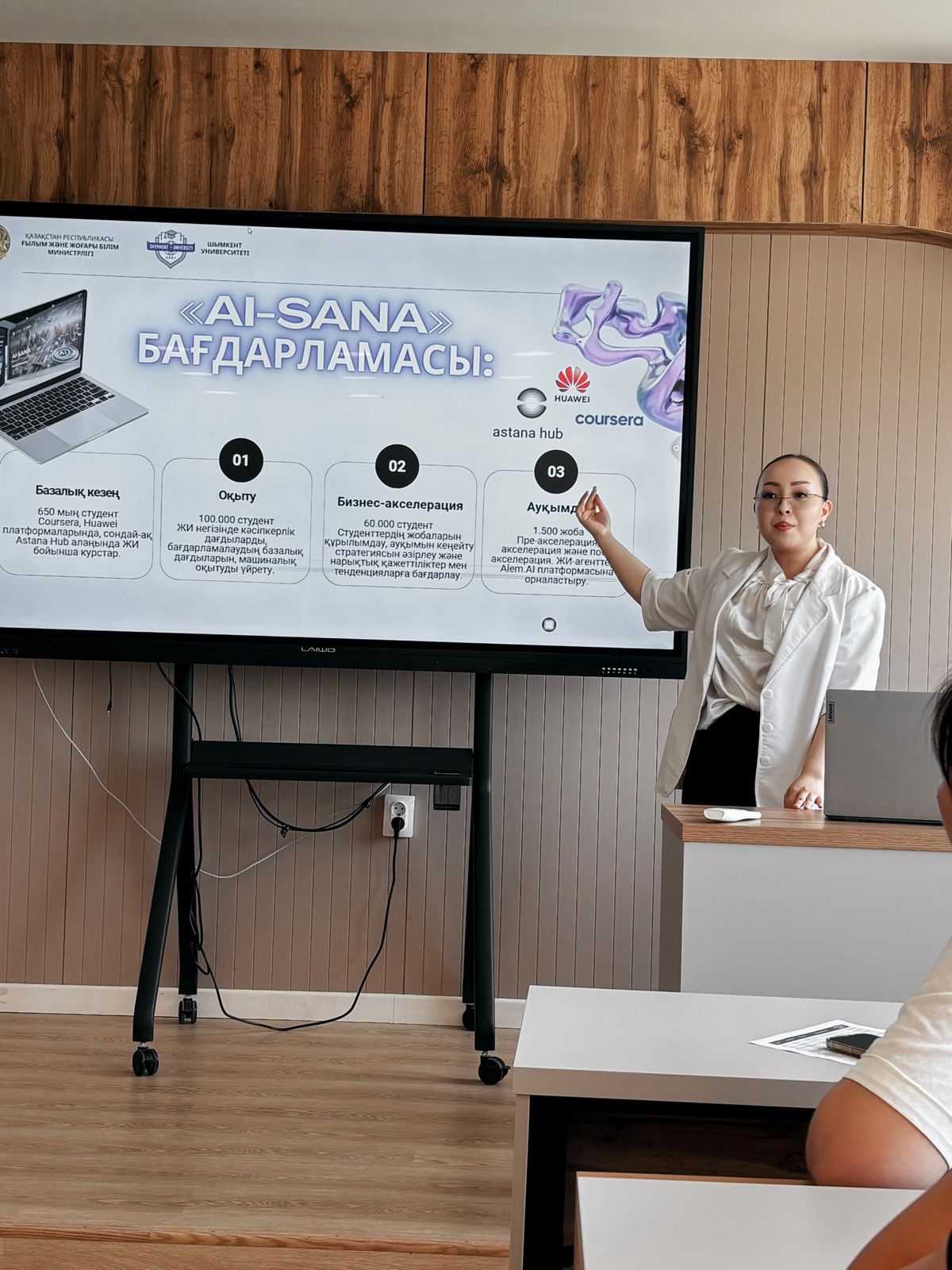
The preparatory stage includes courses on artificial intelligence.
This stage covers 650,000 students and offers AI courses through platforms such as Coursera, Huawei, and Astana Hub. It is intended for students of all levels of higher education — bachelor’s, master’s, and doctoral programs — and includes lectures on key trends in artificial intelligence, fundamental principles of the technology, and opportunities for its practical application across various industries.
Stage 1 (100,000 students)- training in entrepreneurial skills, basic AI-based programming skills, and machine learning.
Stage 2 (60,000 students)- structuring student projects, developing scaling strategies, and aligning projects with market needs and trends.
Stage 3 (1,500 MVP startups)- pre-acceleration, acceleration, and post-acceleration support for startups.
The preparatory stage serves as an initial educational module that covers all levels of higher education at universities, including bachelor’s, master’s, and doctoral programs. It includes lectures focused on major trends in artificial intelligence, fundamental AI knowledge, and the application of AI technologies across various industries.
After completing the preparatory stage, an international team of experts will provide a specialized methodological program in the fields of artificial intelligence and entrepreneurship, which will consist of three stages.
At Stage 1, participants receive training in entrepreneurial skills, machine learning, and AI programming. The programs are focused on developing practical skills in project creation and solving real industry-specific challenges using artificial intelligence technologies.
At Stage 2, the main focus is placed on structuring student projects, developing scaling strategies, and aligning projects with market needs. During this stage, students work on their projects under the guidance of experienced mentors and experts while gaining practical tools for the successful launch and development of their initiatives.
At Stage 3, participants undergo pre-acceleration, during which promising ideas are selected and refined, MVPs are developed, and business models are created. This is followed by the acceleration stage, where projects are further improved and scaled with the support of mentors, experts, and specialized infrastructure.
During the post-acceleration stage, startups receive support for market entry, attracting investments, and strengthening their positions on international platforms, including assistance with business scaling.
The Ministry, together with the Science Foundation and international experts, has identified priority sectors for the current year: energy and sustainable development, the agro-industrial complex, education, and talent development. These areas are considered highly attractive to international venture investors, drawing significant attention and investment from the global market.
In February of this year, the preparatory stage of the innovative program was launched. This stage covers 650,000 students across the country, providing them with foundational knowledge in artificial intelligence.
In addition, universities are allowed to train students through independently developed courses and issue officially recognized electronic certificates upon completion.
The Ministry has introduced amendments to the State Mandatory Standard for Higher and Postgraduate Education, requiring the mandatory inclusion of artificial intelligence disciplines in educational programs across all fields of study. At present, 95 universities in the country have already integrated AI-related subjects into their curricula.
Together with the Science Foundation and international experts, 27 “anchor” universities have been selected and approved in every region of the country. These universities were chosen based on criteria related to the infrastructure required for program implementation, including the availability of AI educational programs, international partnerships, computing capacities, and other relevant resources. The selected universities are responsible for implementing the project within their regions and neighboring areas, ensuring the training of students and academic staff under the AI-Sana program.
Thus, the AI-Sana program is aimed at creating a favorable ecosystem for the development of artificial intelligence in the country. The program includes education, research projects, startup acceleration, and international cooperation. Through this initiative, future specialists and researchers will be able to adapt to the rapidly changing world, acquire the necessary knowledge and skills for working with AI, and develop the critical thinking required for creating advanced technologies.
The main goal of the program is a profound transformation in the mindset of students and educators, promoting the transition of universities from a traditional educational model toward a scientific and practice-oriented approach.